The Fate of Your Screenplay is in the Hands of the Coverage Reader
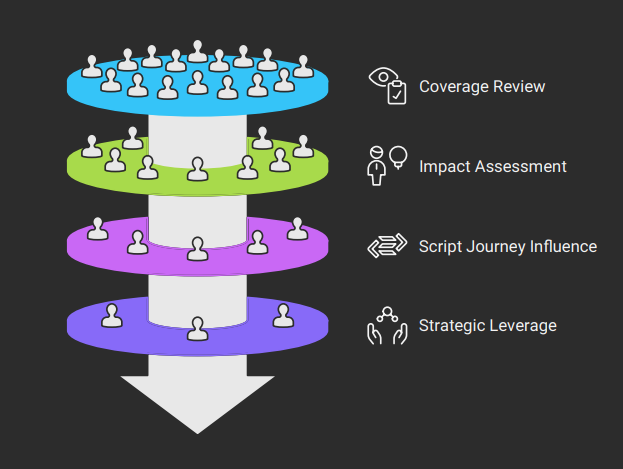
Listen up. This page breaks down the massive, often misunderstood role that coverage readers play in whether your script gets sold or gets binned. We're going to dive into what "coverage" actually is, who reads it, how it messes with your script's journey, and how to game the system. Understanding these gatekeepers is essential if you want to break into the industry.
What is "Coverage"?
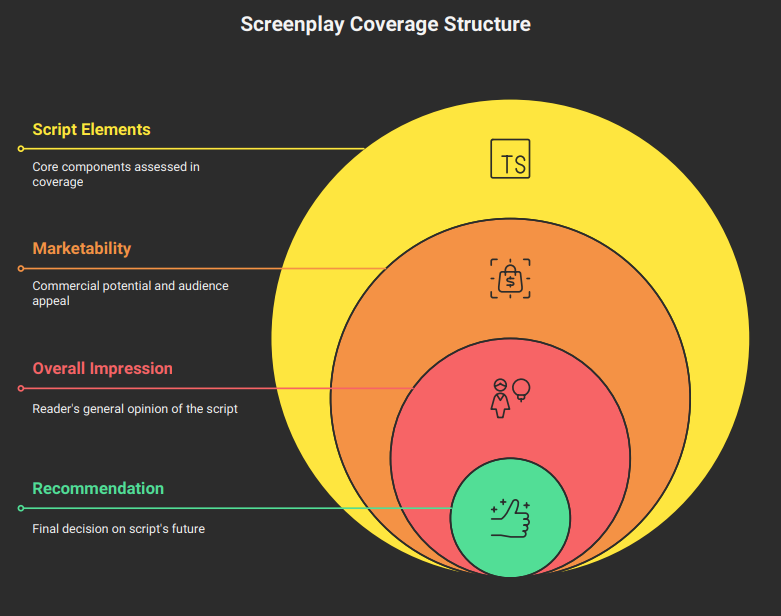
Coverage is basically a reader's report. It's a 2-5 page summary and breakdown of your screenplay. It assesses the strengths and weaknesses of your graft across these elements:
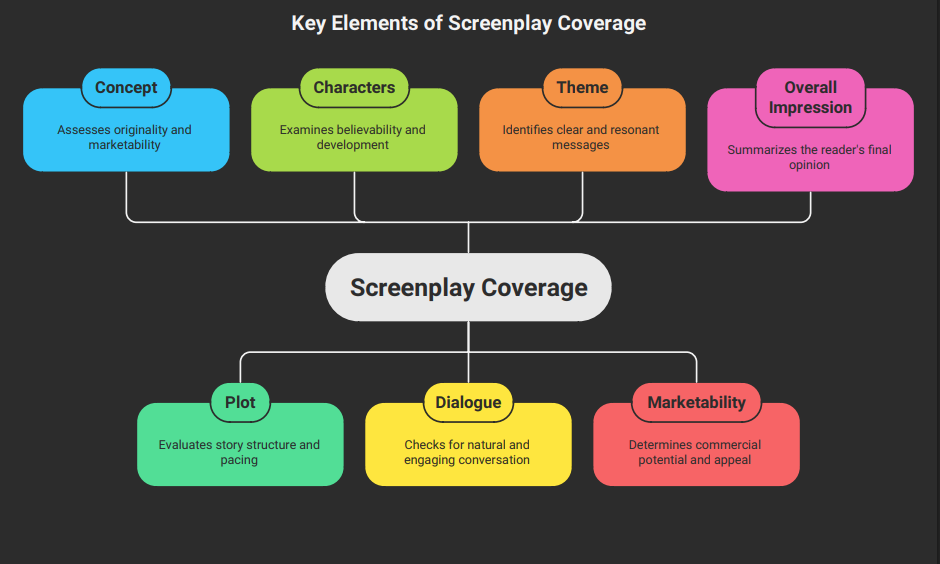
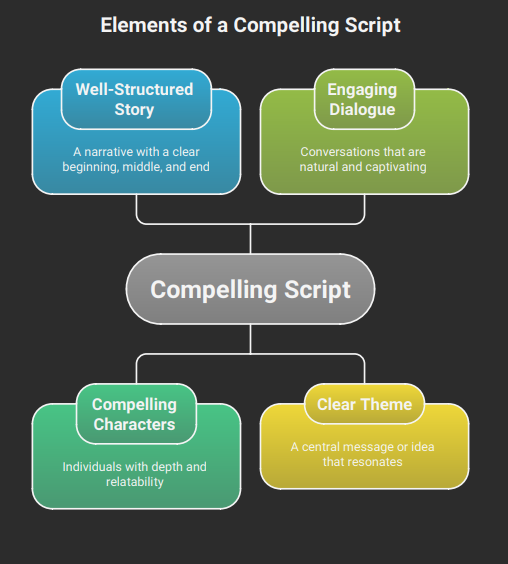
• Concept: Is the idea a banger? Original? Marketable?
• Plot: Is the story structure tight? Is the pacing dragging?
• Characters: Are they believable or just cardboard cutouts?
• Dialogue: Does it sound real, or is it cringe?
• Theme: Is there a point to all this madness?
• Marketability: Can we flog this to a specific audience?
• Overall Vibe: The reader's final verdict.
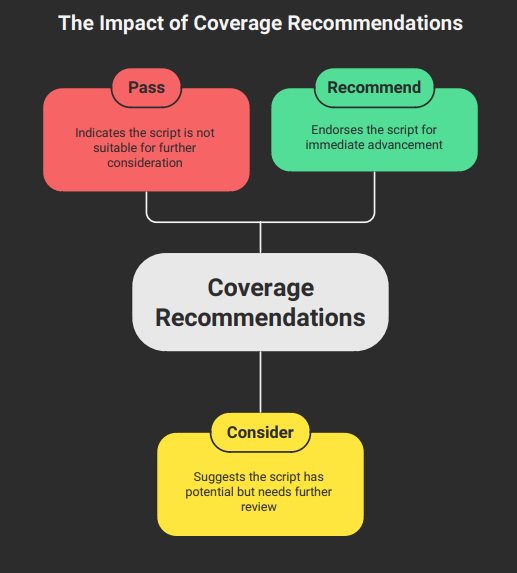
Crucially, coverage comes with a recommendation: Pass, Consider, or Recommend. This is the part that kills you or makes you. It decides if your script moves up the ladder.
Who Actually Reads This Stuff?
Spoiler: It's not usually the big boss. It's these guys:
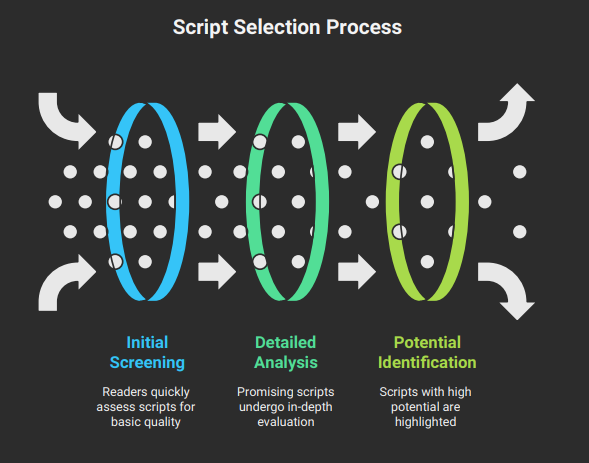
• Interns and Assistants: The first line of defence. Often overworked, unpaid, and reading a stack of scripts on the weekend. If you bore them, you're done.
• Story Analysts: Professional readers. They know their stuff and provide deep analysis.
• Development Execs: They rarely read the full script first. They read the *coverage* to decide if the script is worth their precious time.
Essentially, coverage readers are the bouncers of Hollywood. If your name isn't on the list (or your script sucks), you aren't getting in.
The Selection Process
The Verdict: Pass, Consider, Recommend
Here is what those boxes on the form actually mean for you:
• Pass: Straight in the bin. The reader thinks it's not worth the time. Weak concept, bad formatting, boring. Game over.
• Consider: "It's alright, but..." It has potential, but needs work. Might get passed to a junior exec, or you might get asked to rewrite.
• Recommend: The Holy Grail. The reader thinks it's fire. This is the golden ticket that gets your script on a producer's desk.
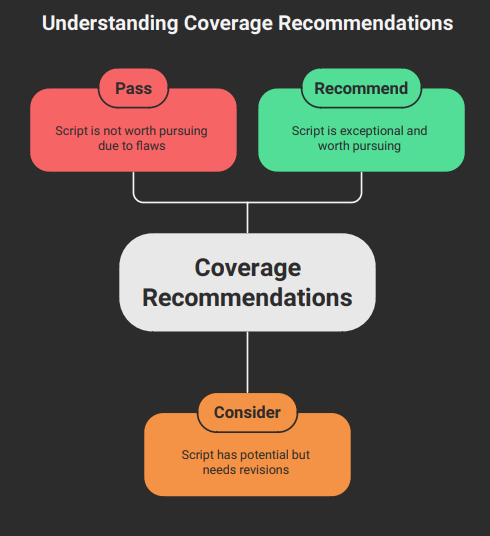
Note: Coverage is subjective. One reader might hate it, another might love it. But if everyone says "Pass," you've got problems.
How to Beat the System
You can't control the reader, but you can control the work:
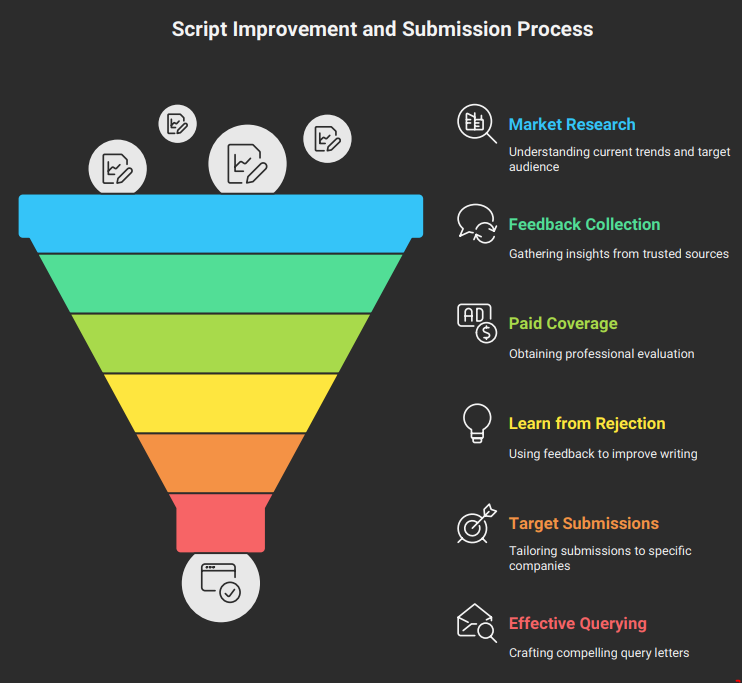
• Write a Script That Slaps: Obvious, right? But focus on structure, compelling characters, and dialogue that pops.
• Know the Market: Don't write a $200m sci-fi if indie studios are buying horror. Tailor your script to the buyers.
• Get Feedback First: Don't let an industry pro be the first person to read your draft. Get your mates or a consultant to roast it first.
• Paid Coverage: It costs money, but getting a pro breakdown *before* you submit can save you embarrassment.
• Learn from the 'Nos': If you get negative feedback, don't cry about it. Fix it.
• Target Your Shots: Don't spray and pray. Send your script to people actually looking for that genre.
• Query Like a Pro: Your email/letter needs to hook them instantly.
You Need Thick Skin, Bruv
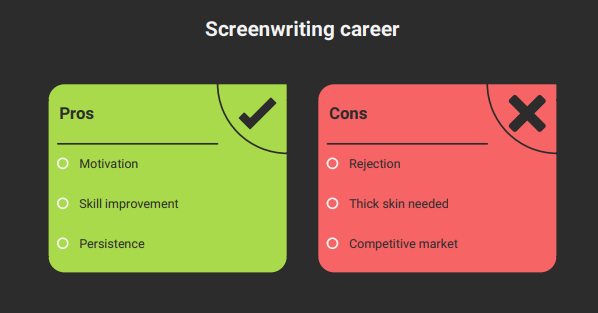
Rejection is part of the gig. Developing a thick skin is mandatory. Don't quit after a bad review. Use it as fuel to get better.
The Bottom Line
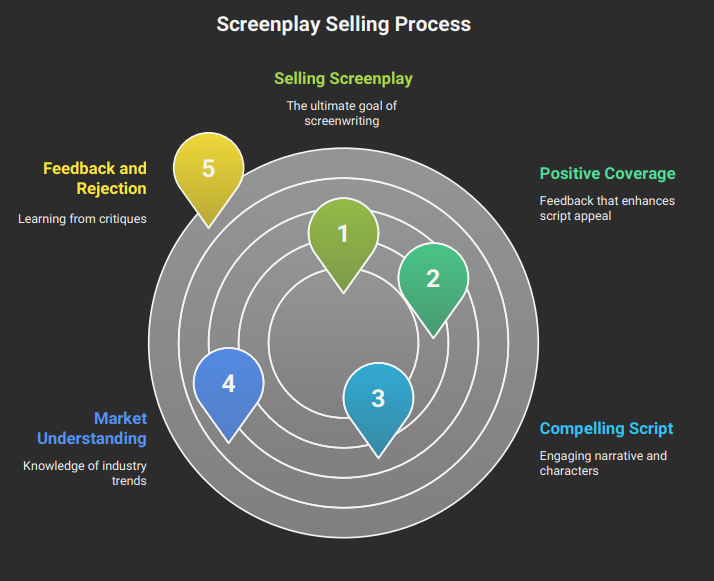
Coverage readers are the gatekeepers. You have to respect the game to win it. Write a banger, know the market, take the feedback, and keep pushing. That's how you get that "Recommend" and sell your screenplay. Remember, persistence is key in this game.