The Fate of Your Screenplay is in the Hands of the Coverage Reader
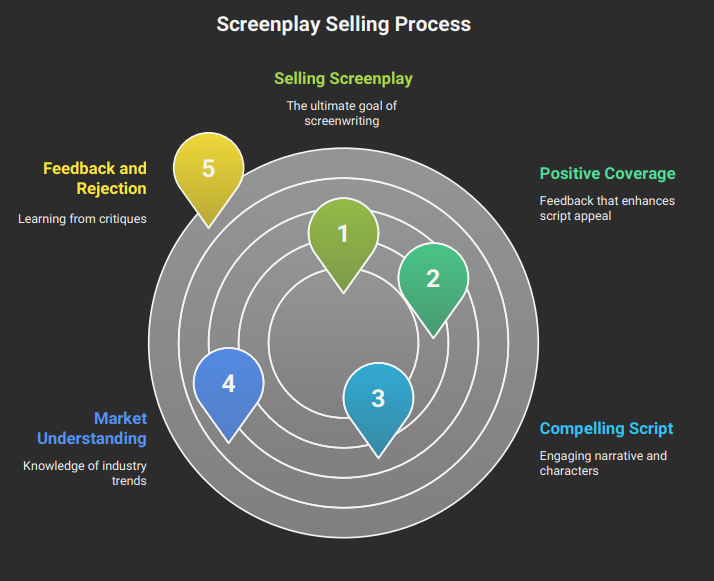
This is the alpha on the one thing standing between you and a deal. We're talking about the coverage reader—the bouncer at the club of Hollywood. We'll break down what coverage actually is, who's reading your gear, and how to game the system to get past them. If you want to secure the bag, you need to understand these gatekeepers.
What the Hell is Coverage?
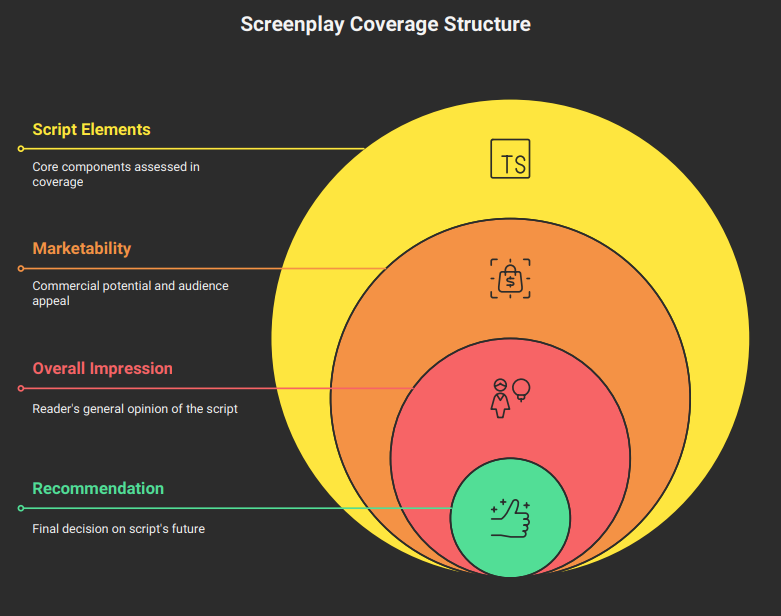
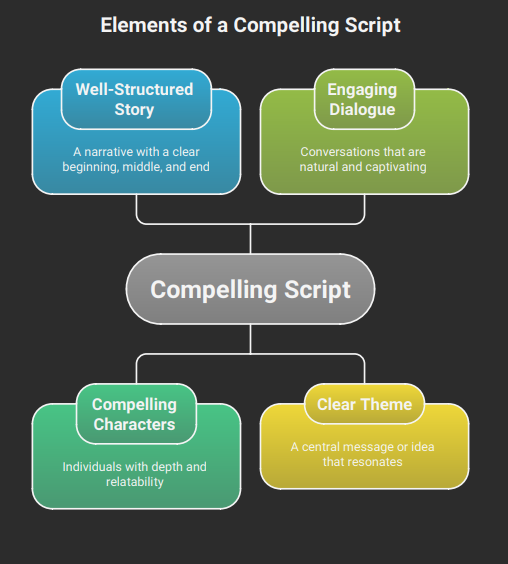
Coverage is basically a book report for execs who are too busy to read. It's a 2-5 page summary and analysis of your script. It assesses if your gear is fire or trash based on:
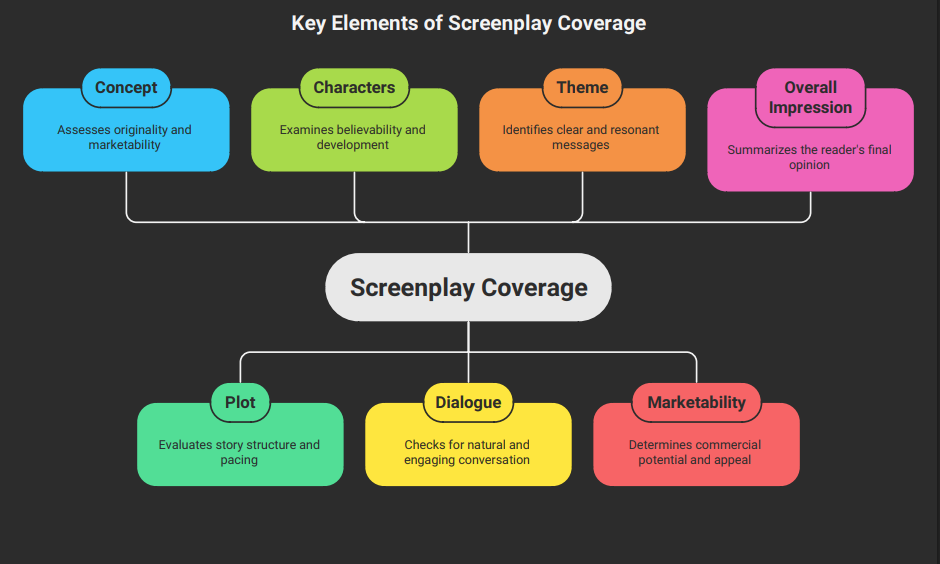
- Concept: Is the idea original and will it make bank?
- Plot: Is the story structural or a mess? Is it compelling?
- Characters: Are they believable or cardboard cutouts?
- Dialogue: Do people actually talk like this? Does it slap?
- Theme: Is there a point to all this madness?
- Marketability: Can we sell this to an audience? Is it commercially viable?
- The Vibe: The reader's overall gut feeling.
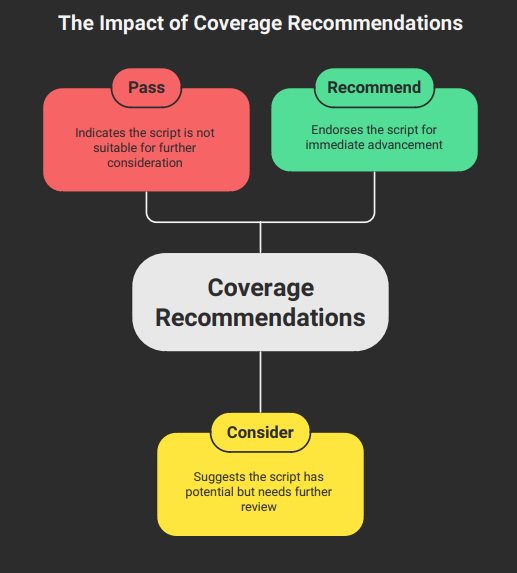
Most importantly, coverage ends with a verdict: Pass, Consider, or Recommend. This verdict basically decides if your script lives or dies.
Who is Actually Reading This?
Spoiler alert: It ain't Spielberg. It's usually:
- Interns and Assistants: The front line. Overworked, underpaid, and reading 50 scripts a weekend. If you bore them, you're toast.
- Story Analysts: The pros. They do this for a living and analyse scripts deeper. They know what's up.
- Development Execs: They rarely read the raw script unless the coverage screams "READ THIS NOW." They rely on the reader's notes to make moves.
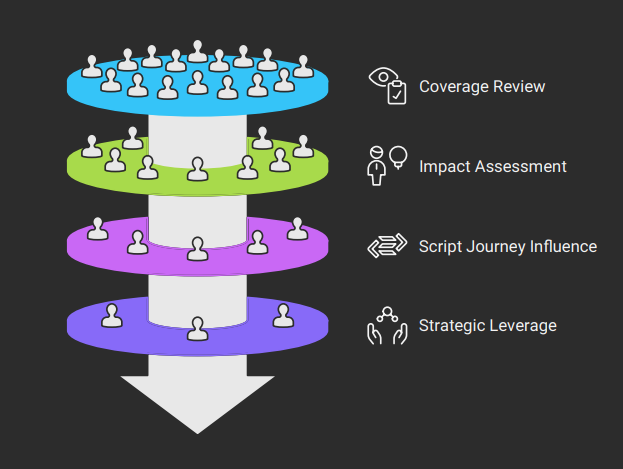
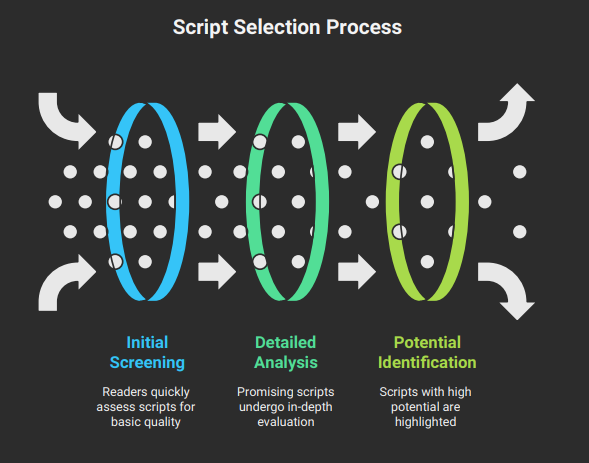
Basically, coverage readers are the gatekeepers. They filter the thousands of scripts so the bosses only see the top 1%.
The Selection Process
How Coverage Impacts Your Hustle
That recommendation at the end? It's everything.
- Pass: The reader reckons your script isn't worth the paper it's printed on. Weak concept, bad execution, or just boring. A "Pass" means you're ghosted.
- Consider: You've got potential, but it's flawed. Maybe the dialogue is clunky or the third act falls apart. This might get you a second read or a meeting to discuss a rewrite.
- Recommend: The holy grail. The reader thinks your script is absolute fire. This is how bidding wars start. This is how careers are made.
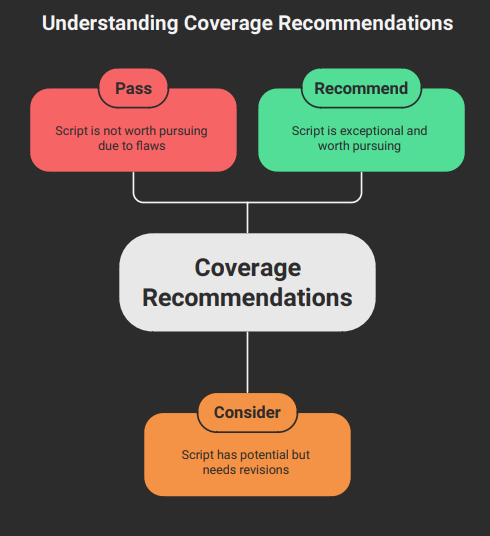
Keep in mind, coverage is subjective. One reader might hate it, another might love it. But if everyone is saying "Pass," you need to fix your script.
How to Game the System
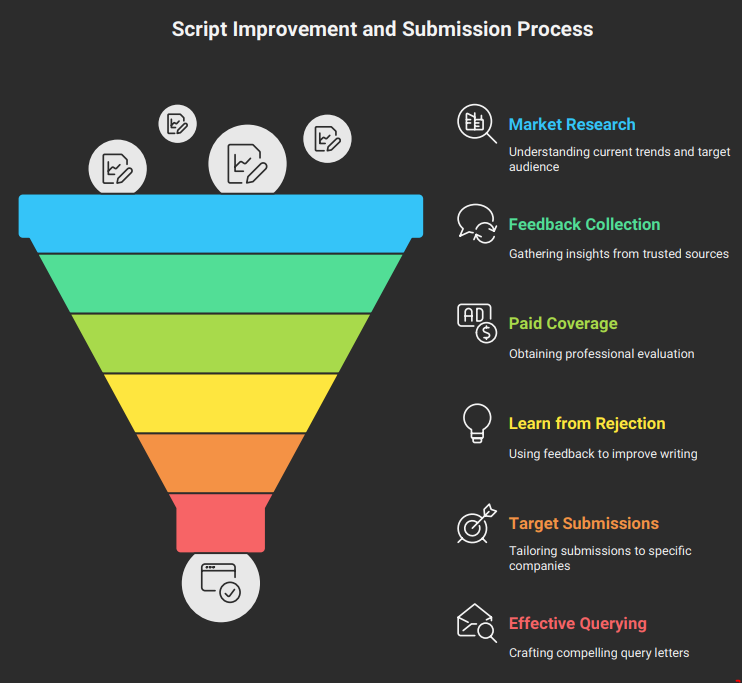
You can't control the reader's mood, but you can stack the deck in your favour:
- ✓Write a Banger: Obvious, right? But seriously, craft a story that grabs them by the throat. Structure, character, dialogue—nail it all.
- ✓Know the Market: Don't write a 4-hour silent film. Know what's selling. Tailor your script to fit the current appetite.
- ✓Get Feedback First: Don't send your first draft to Hollywood. Get feedback from mates, writing groups, or mentors. Fix the holes before the pros see it.
- ✓Pay for Coverage (Maybe): Paid coverage can give you a professional perspective before you burn bridges. Use reputable services.
- ✓Learn from the L's: Rejection is part of the game. If you get negative notes, use them to level up. Don't be precious.
- ✓Target Your Hits: Don't send a horror script to a rom-com producer. Do your research and target the right people.
- ✓Query Like a Boss: Your query letter is your first impression. Make it punchy. Highlight the hook and why they need to read it.
Thick Skin Required
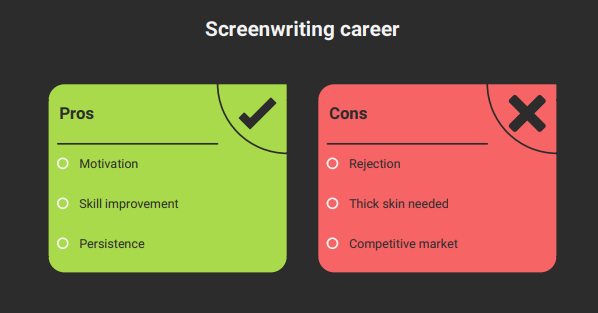
This industry is brutal. Rejection is breakfast. You need to develop a thick skin and keep hustling. Don't quit after one bad coverage report. Use it as fuel.
The Wrap Up
Coverage readers are the gatekeepers standing between you and the red carpet. Understanding their role is critical. By writing a killer script, knowing the market, and handling rejection like a pro, you can flip the odds and ultimately sell your screenplay. Remember, persistence and the hustle are just as important as the talent.