GHOSTING THE GATEKEEPERS
The Hollywood Gong Show:
Gatekeepers, playing it safe, and why so many movies are total washouts. The path for a creative trying to break into the industry is blocked by a messy, opaque system that decides which stories reach the screen. It all centres on the power of the gatekeepers—specifically the script coverage readers—who hold way too much sway over the business.
How Hollywood Picks Scripts (The Struggle)
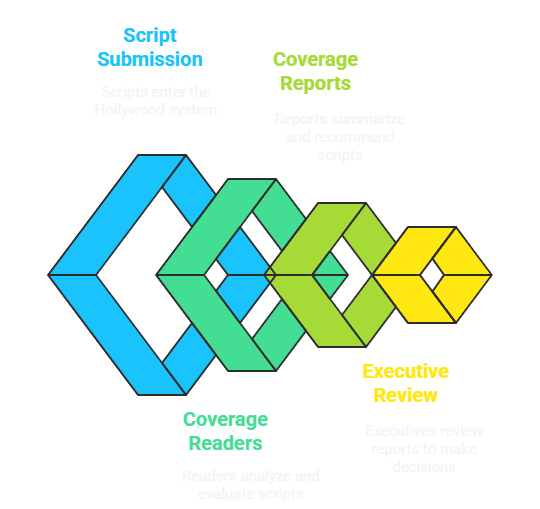
The Power of the Bouncers:
Script Coverage in Hollywood is the biggest hurdle for new writers trying to secure the bag. Of the 50,000+ scripts tossed at the Writers Guild of America every year, almost every single one has to go through a coverage reader (basically a story analyst).
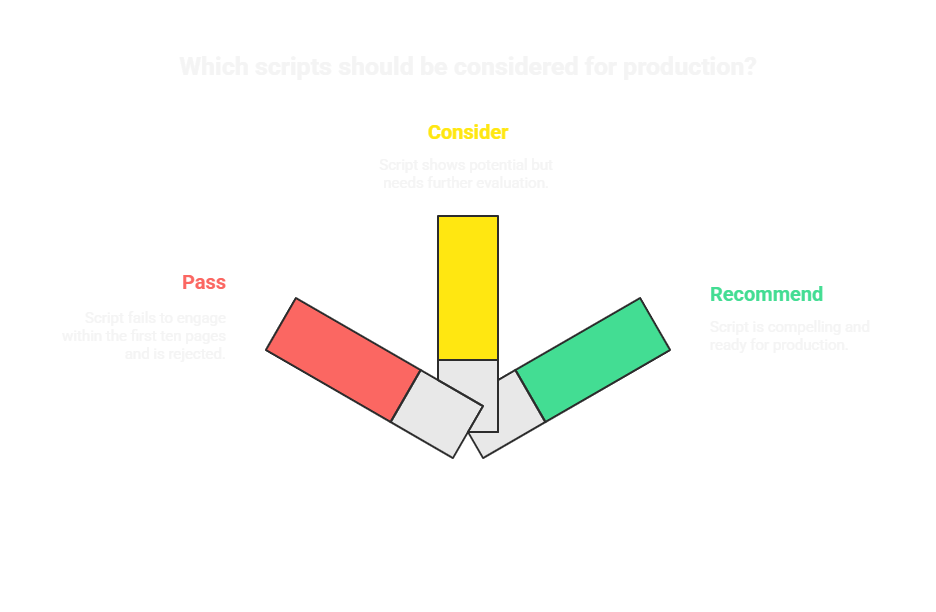
The Vibe Check (The Filter):
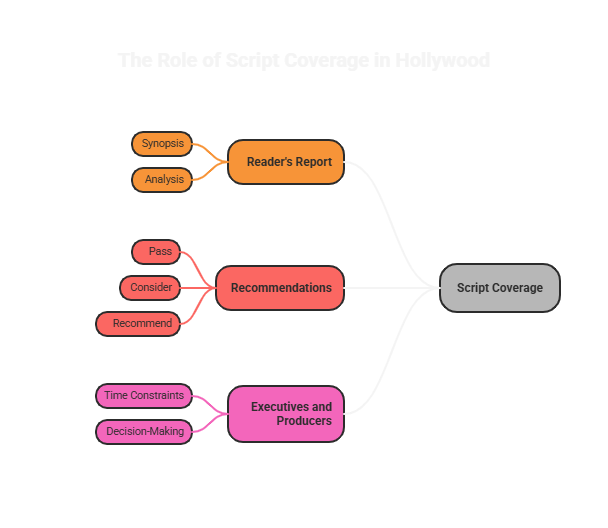
The reader’s report—a quick coles notes, analysis, and a strict recommendation (Pass, Consider, or Recommend)—is what execs actually read. They don't have time to read your whole masterpiece. This report is the filter that can instantly hype up or, more likely, kill your script’s chances.
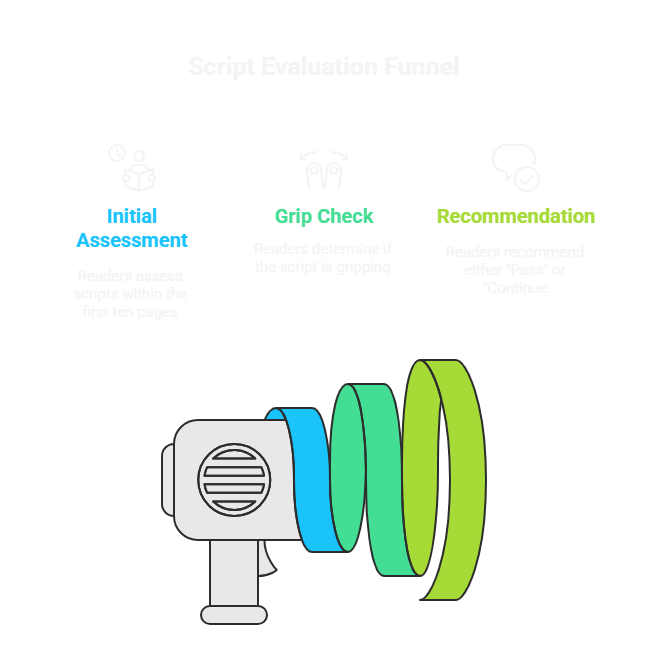
The 10-Page Rule (Don't Bore Us):
Industry chatter confirms that most readers know if a script is a beauty or a dud within the first ten pages. If you don't hook them in that window, you get a "Pass," and your project is toast. These readers wield crazy power over your career.
Why So Many Garbage Movies Get Made:
If the system is supposed to filter for quality, why is Netflix flooded with junk? It’s about risk aversion, not quality. Fear of Failure: Hollywood runs on fear. A reader who champions a risky, original script is putting their neck on the line. If it flops, it's on them. As legend Ron Osborn says, "Nobody wants to read your script," because reading it is a liability.
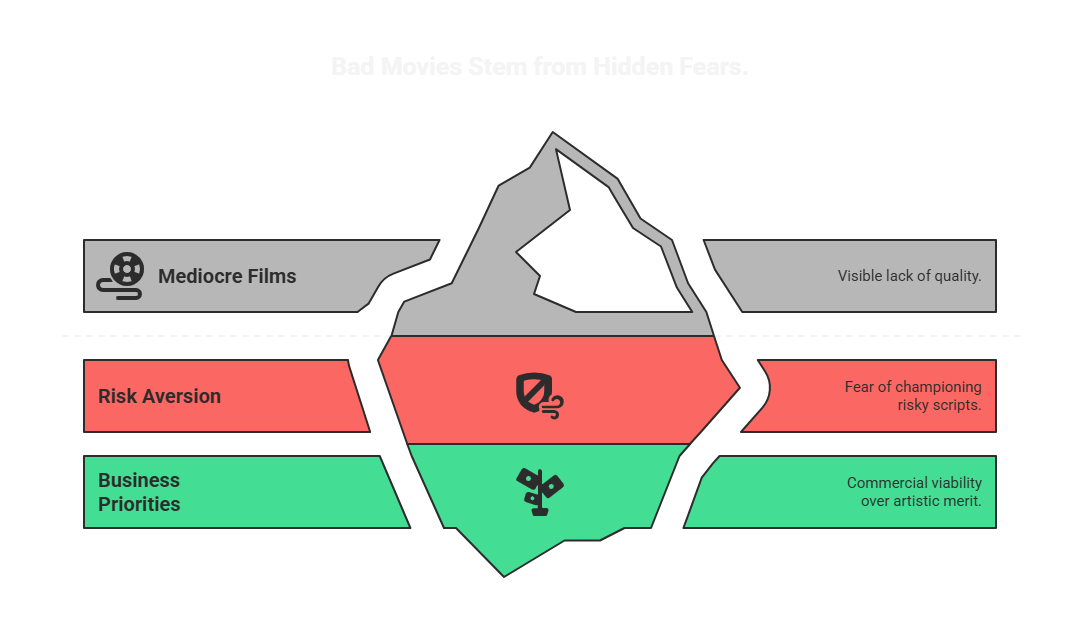
Cash Rules Everything:
Films get the greenlight based on relationships and cash flow, not art. Scripts get picked up because: They are based on existing IP—sequels, remakes, or adaptations—which is safer money.
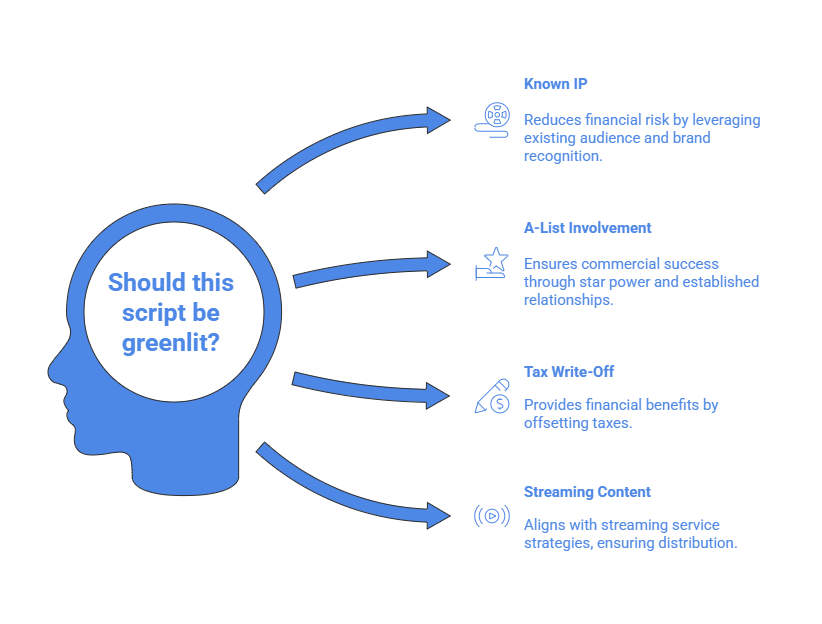
The project involves a massive A-list star or director that the exec wants to stay tight with. Or maybe the film is just a tax write-off. It’s a business, eh?
The Development Grind:
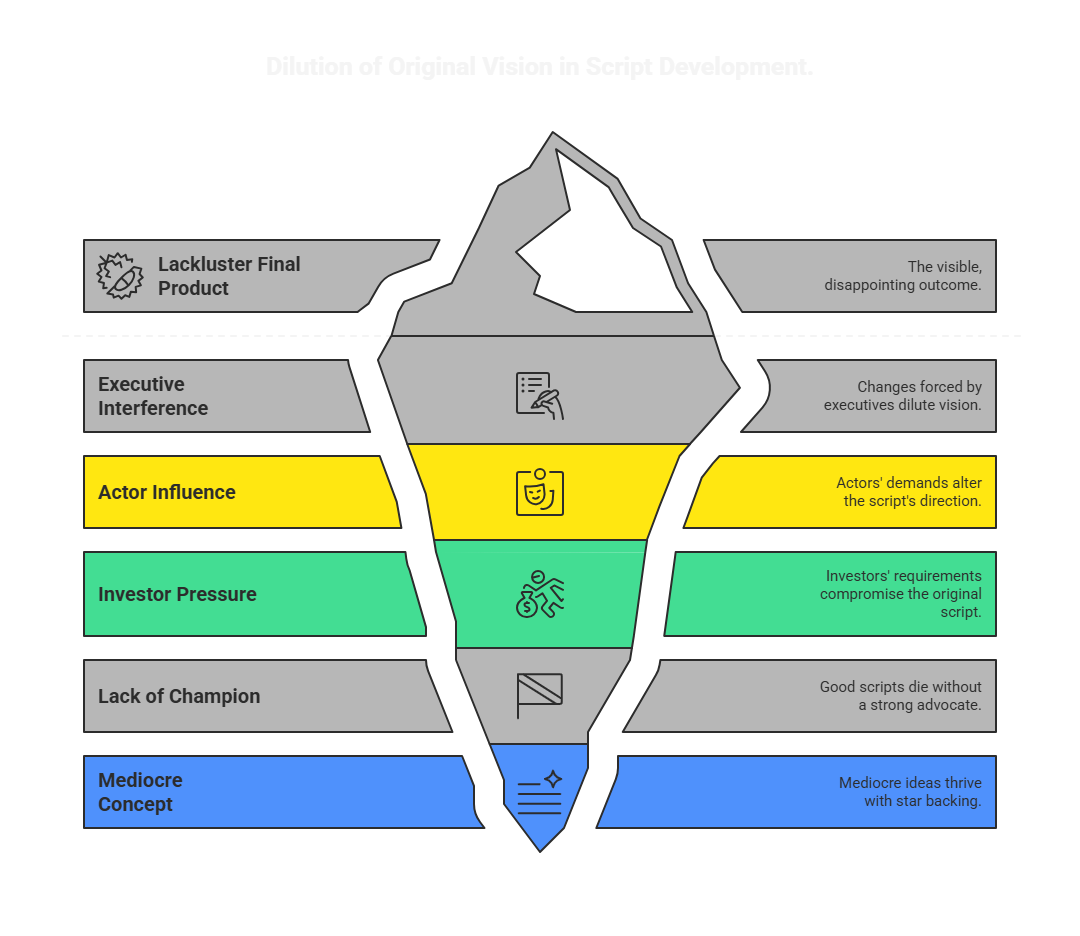
Even if a sick script gets chosen, it often faces "too many cooks in the kitchen"—changes forced by suits, actors, or investors that ruin the vibe, turning a deadly script into a lukewarm final product. Basically, a good script with no hype man dies at the coverage level, while a mediocre idea backed by a celebrity gets the thumbs up.
The Ultimate Screenwriter Cheat Code:
Old school film education, no matter how much you pay, doesn't fix the access problem. Learning the craft is useless if your work never reaches the decision-maker.
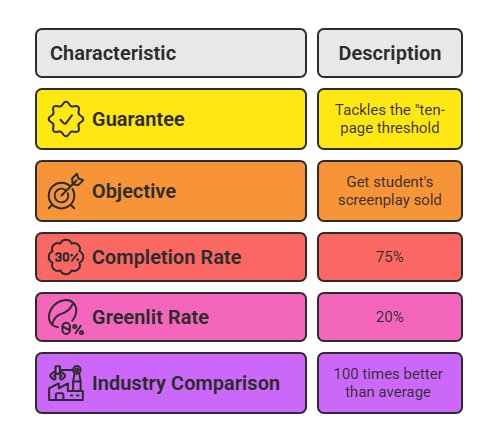
The Ultimate Screenwriter course offers a massive, novel solution to this barrier: The course guarantees that an active Hollywood producer will read at least the first ten pages of every grad's finished script.
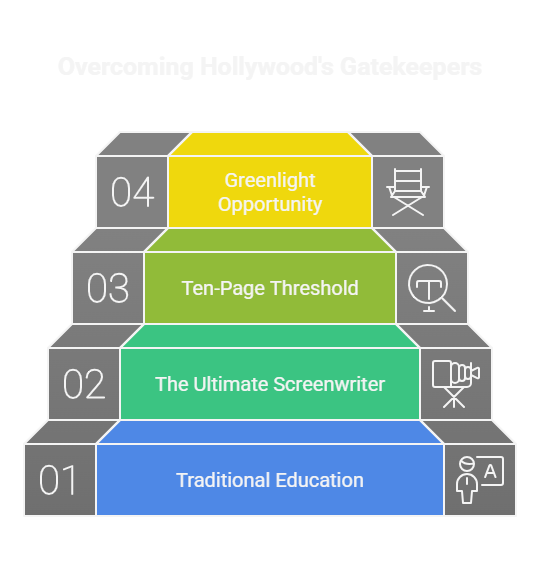
The Ultimate Screenwriter 10-Page Guarantee
This guarantee tackles the "ten-page threshold" head-on. By ensuring your best work is seen by someone who can actually greenlight a project, The Ultimate Screenwriter flips the odds in your favour.
The course has a 75% completion rate—it’s for keener creatives serious about the hustle. More importantly, 20% of those who finish the course get their project greenlit. That’s one in five. That’s 100 times better than the industry average!
The Ultimate Screenwriter Course Delivers
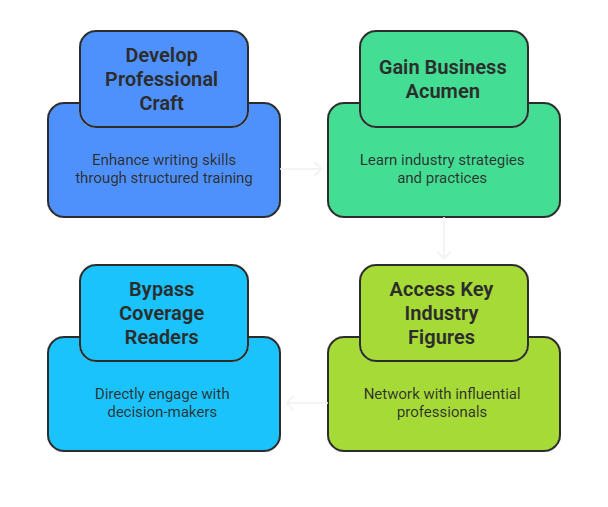
This course gives you the craft, the business smarts, and the VIP access needed to ghost the coverage readers and get in the room with the people who matter.
Course Benefits for Filmmakers
The Proof is in the Pudding.
Obviously, we can't promise your movie gets made just by taking the course. But we can guarantee your odds go way up. This is based on our track record with grads who did the work, used the mentorships, and perfected their scripts before submitting for the producer read. The average successful grad was on their fifth draft because they knew this was a massive opportunity and didn't want to blow it.