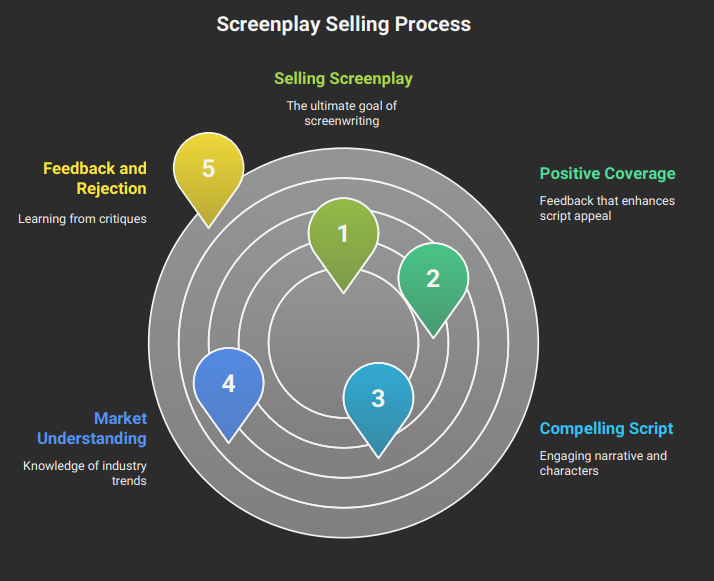
Your Script's Future is Sitting with a Random Coverage Reader
This breakdown pulls back the curtain on the huge, and usually super misunderstood, role that coverage readers play when you're tryna sell your screenplay. We're gonna spill the tea on what coverage actually is, which low-level interns are reading your work, how they can totally wreck or make your career, and how to use them to level up. If you want to break into the biz and make your movie happen, you need to understand these gatekeepers.
What the Heck is Coverage?
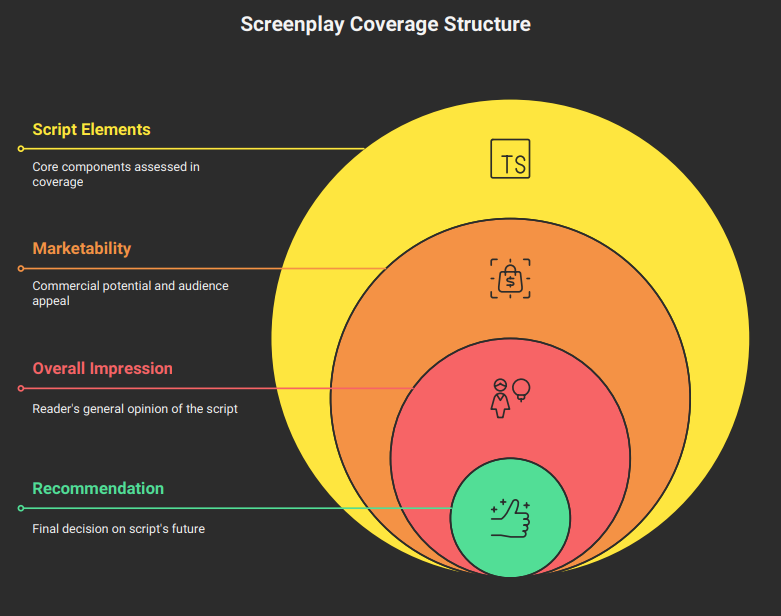
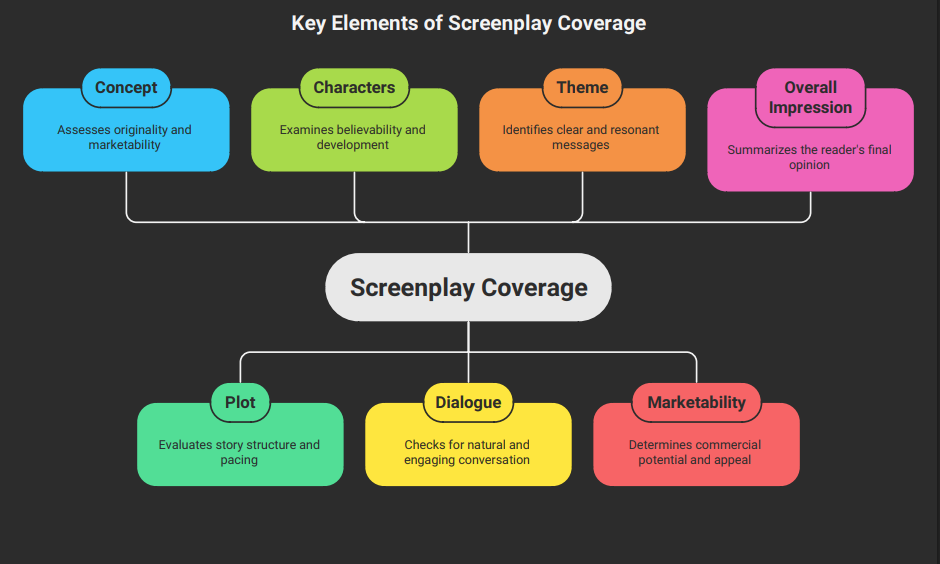
Coverage is basically a 2-5 page written report cards for your screenplay. It’s a reader's vibe check that tells a producer if your script hits or misses across the board, looking at stuff like:
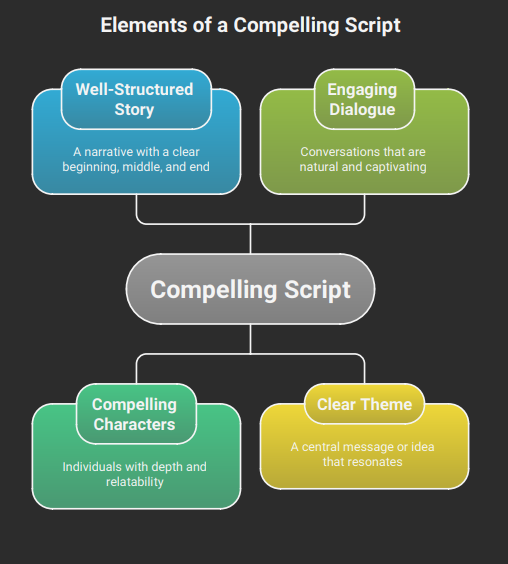
• The Hook: Is the concept fresh, marketable, and actually interesting?
• The Flow: Is the plot well-structured, paced right, and keeping the reader hooked?
• The Squad: Are the characters believable, relatable, and deep?
• The Chat: Is the dialogue natural and actually serving the story, or is it just mid?
• The Meaning: Is there a clear theme that actually resonates?
• Making the Bag: Does this thing have commercial potential for a specific crowd?
• The Overall Vibe: A quick summary of the reader’s final take.
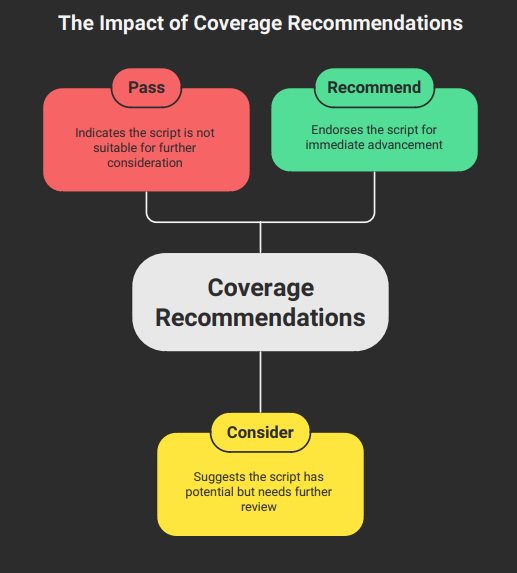
The most brutal part? Coverage ends with a single verdict: Pass, Consider, or Recommend. This one word basically decides if your script moves up the ladder or gets ghosted.
Who’s Actually Reading This Stuff?
Coverage is usually handled by:
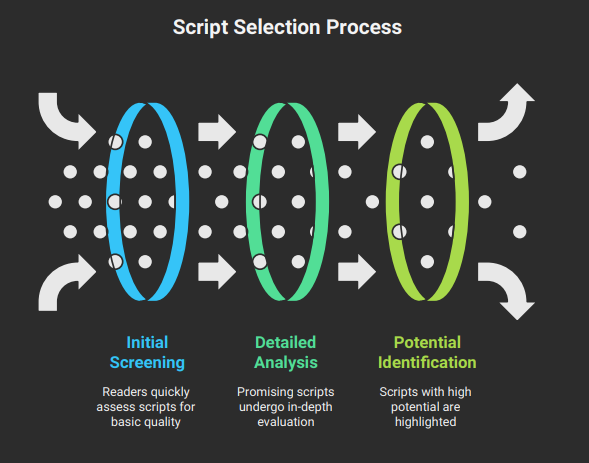
• Interns and Grunts: These are the first line of defence at agencies and production houses. They get slammed with scripts, and their notes decide if your work ever hits their boss's desk.
• Story Nerds: These are pro analysts who live and breathe script evaluation for more in-depth breakdowns.
• The Big Bosses: Development execs don't have time to read everything themselves, so they rely on coverage to pick which projects are worth the hustle.
Basically, these readers are the gatekeepers filtering the noise to find the bangers.
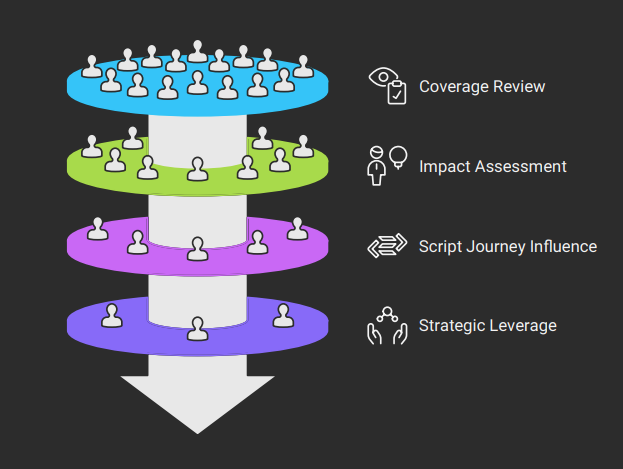
The Selection Grind
How Coverage Can Mess with Your Script's Journey
The recommendation on that report changes everything:
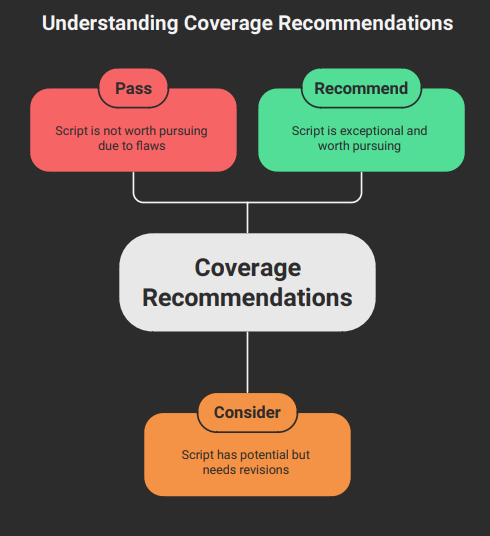
• Pass: This is a hard reject. It means the reader thinks the concept is weak or the execution is just not it. Usually, this means your script is dead in the water at that company.
• Consider: This is a "maybe". The reader sees potential but there are major flaws that need fixing. You might get a second look or be asked to do a rewrite.
• Recommend: The holy grail. This means they think your script is legendary and worth the buy. This is how you get in front of the people who can actually write the cheques.
Keep in mind, coverage is totally subjective. One reader might hate what another loves. But if you're getting the same notes over and over, you’ve probably got some issues to iron out.
How to Play the Coverage Game and Win
You can't control their brain, but you can stack the deck in your favour:
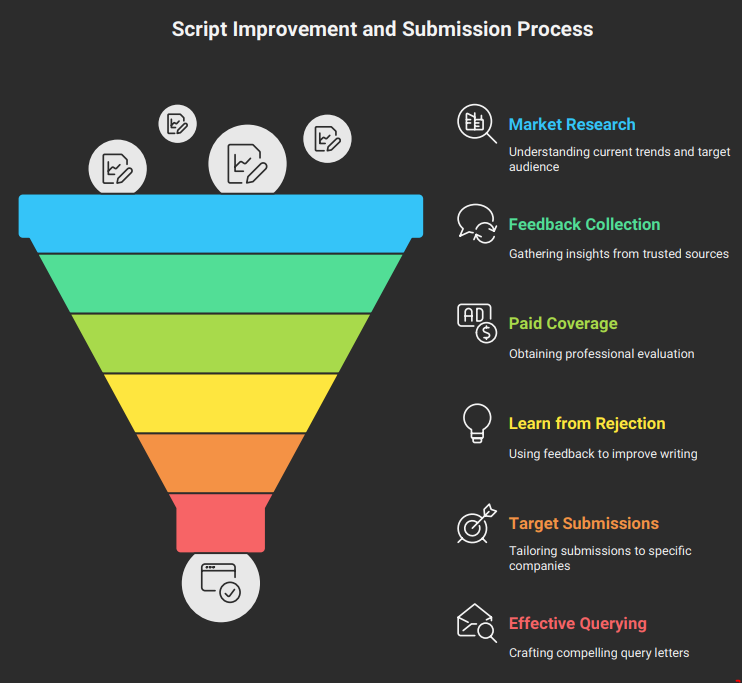
• Write a Script that Slaps: Obvious, but yeah. Focus on a killer structure, deep characters, and dialogue that actually sounds human.
• Scope the Market: Research what's actually getting made and who your audience is. Tailor your script so it’s something people actually want to buy.
• Get Feedback Early: Don't just send it out cold. Hit up writing groups or script consultants first to catch the mistakes.
• Buy Your Own Coverage: Paid coverage services can give you a professional heads-up on your script's flaws before you blow your shot with a producer.
• Learn from Rejection: Don't let a "Pass" crush your soul. Use the notes to fix your stuff and address the weak points.
• Target the Right Squads: Research which companies vibe with your genre and only submit to them.
• Query Like a Pro: A fire query letter can get a reader actually excited to open your script.
Thick Skin is a Side Hustle Essential
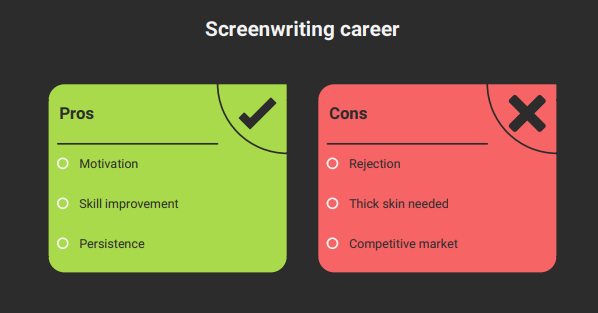
The screenplay market is brutal, and you’re gonna get rejected—a lot. You need to be persistent. Don't quit after one bad review; use it as fuel to keep writing and get better.
Final Take
Coverage readers are the gatekeepers you have to get past. Knowing how they think is everything. Write your banger, know the market, listen to feedback, and don't let rejection hoser you. Keep grinding, build your network, and eventually, you'll be selling your screenplay. Remember, staying on the hustle and making friends in the biz is the secret sauce for success.