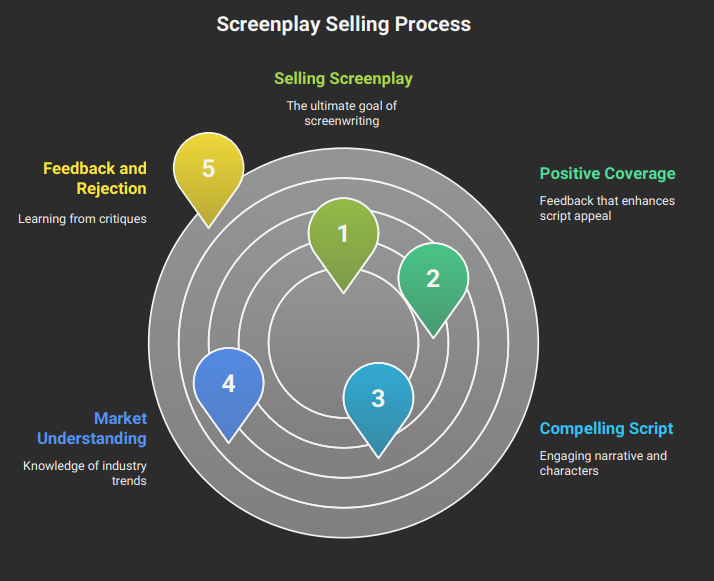
The Fate of Your Screenplay is in the Hands of the Coverage Reader
This document explores the crucial, yet often misunderstood, role that coverage readers play in the process of selling your screenplay. We'll delve into what coverage is, who reads it, how it impacts your script's journey, and how to leverage it to your advantage. Understanding the influence of these gatekeepers is essential for any screenwriter hoping to break into the industry.
What is Coverage
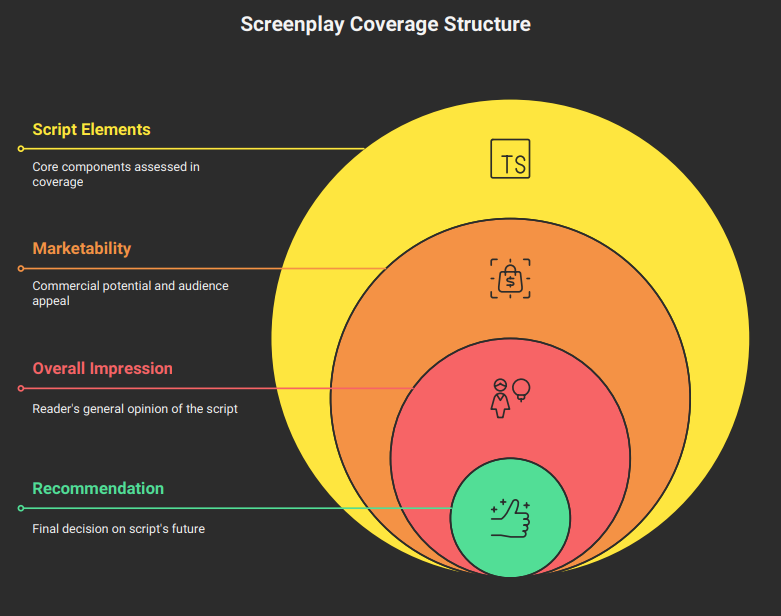
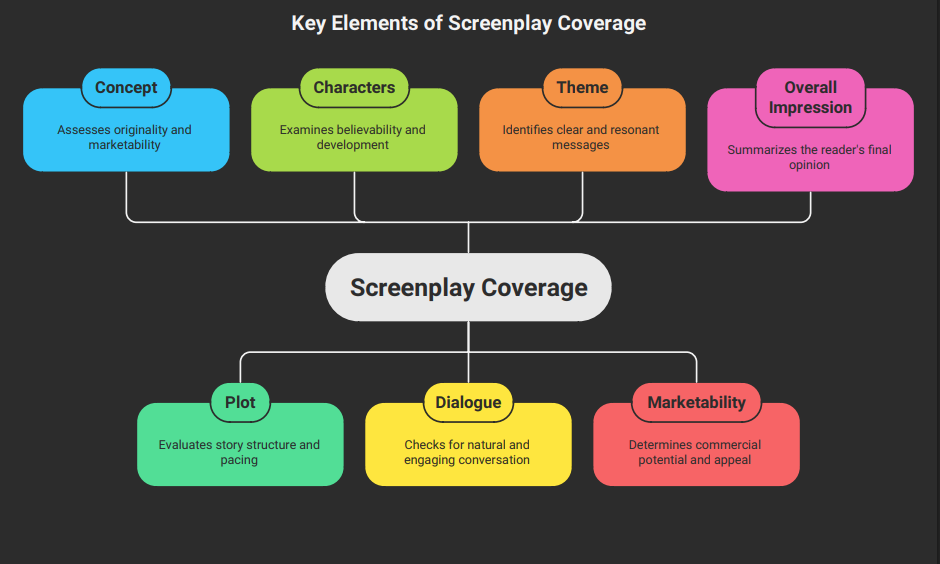
Coverage is a written summary and analysis of a screenplay, typically ranging from 2-5 pages. It's essentially a reader's report that assesses the script's strengths and weaknesses across various elements, including:
• Concept: Is the idea original, marketable, and engaging?
• Plot: Is the story well-structured, paced effectively, and compelling?
• Characters: Are the characters believable, relatable, and well-developed?
• Dialogue: Is the dialogue natural, engaging, and does it serve the story?
• Theme: Is there a clear and resonant theme explored throughout the script?
• Marketability: Does the script have commercial potential and appeal to a specific audience?
• Overall Impression: A summary of the reader's overall opinion of the script.
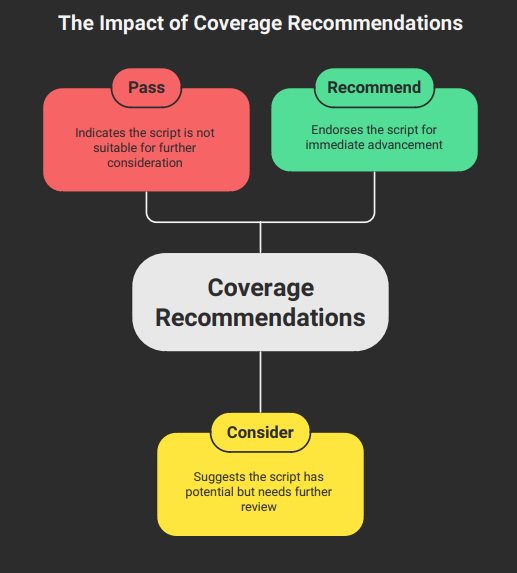
Crucially, coverage also includes a recommendation: Pass, Consider, or Recommend. This recommendation is the most impactful part of the coverage, as it directly influences whether the script moves forward in the evaluation process.
Who Reads Coverage Recommendations?
Coverage is primarily read by:
• Interns and Assistants: These are often the first line of defense at production companies, agencies, and management companies. They read a high volume of scripts and their coverage heavily influences whether a script reaches their superiors.
• Story Analysts: These are professional readers who specialize in evaluating scripts. They provide more in-depth analysis and often have more experience in the industry.
• Development Executives: While they may not read every script themselves, development executives rely on coverage to identify promising projects and make informed decisions about which scripts to pursue.
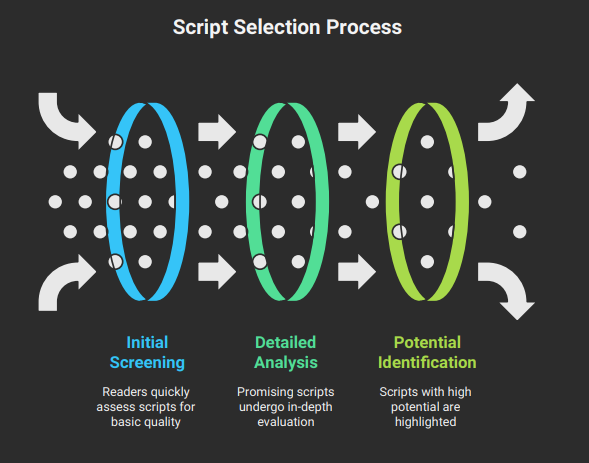
Essentially, coverage readers act as gatekeepers, filtering through the vast number of submitted scripts to identify those with the most potential.
Script Selection Process
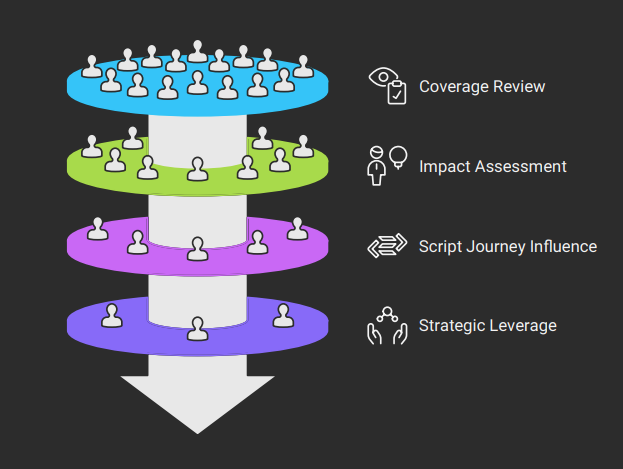
How Coverage Impacts Your Script's Journey
The recommendation in a coverage report can significantly impact your script's journey:
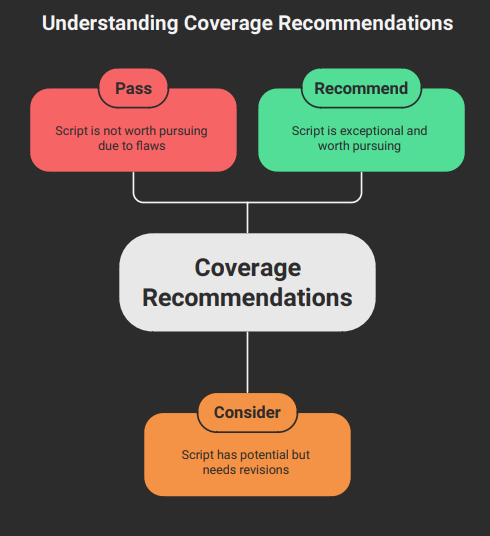
• Pass: A "Pass" recommendation means the reader believes the script is not worth pursuing. This can be due to various reasons, such as a weak concept, poor execution, or lack of marketability. A "Pass" typically means the script is rejected and will not be read by anyone higher up.
• Consider: A "Consider" recommendation indicates that the reader sees some potential in the script but also identifies significant flaws that need to be addressed. This might lead to the script being passed on to a higher-level executive for a second opinion, or the writer might be asked to revise the script based on the reader's feedback.
• Recommend: A "Recommend" is the holy grail. It signifies that the reader believes the script is exceptional and worth pursuing. This significantly increases the chances of the script being read by decision-makers and potentially optioned or purchased.
It's important to note that coverage is subjective. Different readers may have different opinions on the same script. However, consistent feedback across multiple coverage reports can provide valuable insights into the script's strengths and weaknesses.
How to Leverage Coverage to Your Advantage
While you can't control the reader's opinion, you can take steps to improve your script and increase your chances of receiving positive coverage:
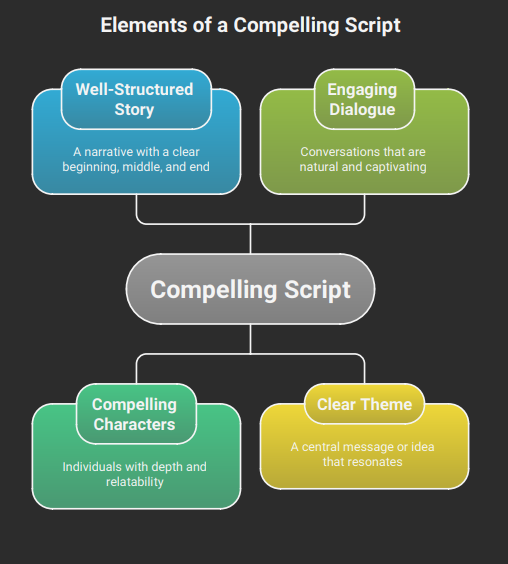
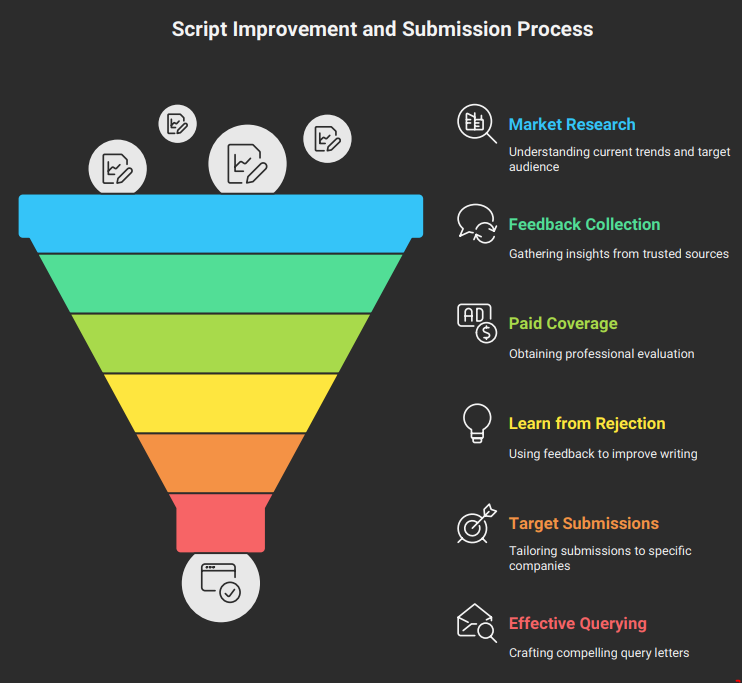
• Write a Compelling Script: This is the most obvious but also the most important. Focus on crafting a well-structured story with compelling characters, engaging dialogue, and a clear theme.
• Understand the Market: Research the types of scripts that are currently being produced and identify your target audience. This will help you tailor your script to the market and increase its marketability.
• Get Feedback Early and Often: Before submitting your script to industry professionals, get feedback from trusted sources, such as fellow writers, writing groups, or professional script consultants. Use this feedback to revise and improve your script.
• Consider Paid Coverage: While not a guarantee of success, paid coverage can provide valuable insights into your script's strengths and weaknesses from a professional perspective. Choose reputable coverage services with experienced readers.
• Learn from Rejection: Don't be discouraged by negative coverage. Use it as an opportunity to learn and improve your writing. Identify common themes in the feedback and address them in your revisions.
• Target Your Submissions: Research the types of scripts that different production companies, agencies, and management companies are looking for and tailor your submissions accordingly.
• Query Effectively: A strong query letter can pique a reader's interest and increase the chances of your script being read. Highlight the unique aspects of your script and explain why it's a good fit for the recipient.
The Importance of Thick Skin and Persistence
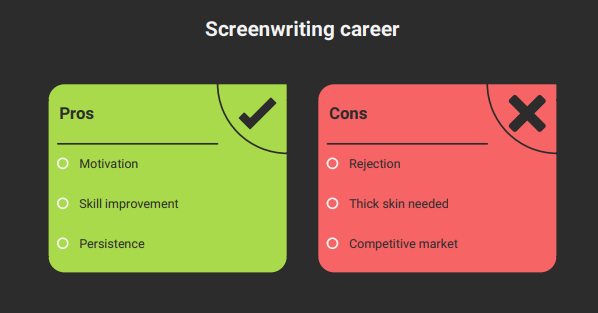
The screenplay market is highly competitive, and rejection is a common experience for screenwriters. It's essential to develop a thick skin and be persistent in your efforts. Don't give up after receiving negative coverage. Instead, use it as motivation to improve your craft and keep writing.
Conclusion
Coverage readers are important gatekeepers in the screenplay selling process. Understanding their role and how coverage impacts your script's journey is essential for any aspiring screenwriter. By writing a compelling script, understanding the market, getting feedback, and learning from rejection, you can increase your chances of receiving positive coverage and ultimately selling your screenplay. Remember that persistence and building relationships are also key to success in this competitive industry.